Beyond the Booth: How Interior Product Brands Can Maximize Trade-Show ROI Without Exhibiting

You don't need a booth to create opportunities at a trade show. You need a strategy.
For interior product manufacturers, trade shows like Boutique Design New York (BDNY) are often viewed as opportunities to showcase new collections, introduce products, and connect with architects and designers.
But there's an assumption worth challenging: If your brand isn't exhibiting, is attending still worth the investment?
Absolutely.
Some of the most valuable opportunities at an industry event happen outside the booth. They happen during scheduled meetings, conversations between sessions, introductions to potential partners, and gatherings that bring the right people together.
The difference between simply attending and creating meaningful business opportunities comes down to intention.
At Thrive In Design, we believe trade-show participation should support a larger business-growth strategy, whether your brand has a booth on the show floor or not.
Here's how interior product manufacturers can approach trade shows more strategically and turn their time at an event into opportunities that extend well beyond it.
1. Define What Success Looks Like Before You Arrive
Before booking a flight or registering for an event, ask yourself one important question:
What are we actually trying to accomplish by attending?
For manufacturers exhibiting at a trade show, success is often measured by booth traffic, badge scans, and the number of leads collected.
But those metrics don't necessarily reflect the quality of the opportunities created.
And for brands attending without a booth, success requires a different approach.
Your goals might include:
- Building strategic relationships: Connecting with architects, designers, purchasing agents, or hospitality decision-makers.
- Exploring market opportunities: Understanding what U.S. designers are looking for and how your products fit their needs.
- Identifying potential partners: Meeting manufacturers, distributors, sales representatives, or complementary brands.
- Supporting specification opportunities: Introducing your capabilities to firms working on relevant projects.
- Strengthening industry visibility: Becoming more familiar to the people and organizations you want to work with.
The key is to be specific.
Instead of setting a goal to "meet more designers," identify the types of firms, project categories, and decision-makers most relevant to your growth plans.
A manufacturer entering the U.S. hospitality market, for example, may prioritize introductions to hospitality design firms and purchasing groups rather than trying to meet as many attendees as possible.
When you define success before the event, you can make better decisions about where to spend your time.
2. Research the Right People, Not Just the Right Exhibitors
One of the biggest advantages of attending a trade show without exhibiting is flexibility.
You're not tied to a booth schedule, which gives you more freedom to explore the event, attend gatherings, and connect with people throughout the industry.
But that flexibility is only valuable if you use it intentionally.
Before the show, research the people and organizations you want to meet.
Start with:
- Architecture and interior design firms working in your target markets
- Hospitality purchasing firms and procurement professionals
- Manufacturers with complementary products or audiences
- Industry associations and organizations
- Potential distribution or sales partners
- International brands exploring similar market opportunities
Then prioritize those connections based on your business objectives.
For example, if your brand manufactures furniture for boutique hospitality projects, a conversation with a designer specializing in independent hotels may be more relevant than a meeting with someone whose work focuses primarily on another sector.
This is where understanding your ideal customer becomes especially important.
You don't need to connect with everyone at a trade show. You need to connect with the right people.
3. Develop a Walk-the-Show Strategy
Walking a trade show without a plan can quickly become overwhelming.
There are hundreds of products to explore, familiar faces to reconnect with, and unexpected conversations happening throughout the day.
Without clear priorities, it's easy to leave feeling busy without knowing what you actually accomplished.
A walk-the-show strategy gives your team direction while leaving room for valuable spontaneous connections.
Schedule priority conversations in advance
Don't rely entirely on running into the people you want to meet.
Reach out before the event to schedule meetings, coffee conversations, or brief introductions.
Even a 15-minute conversation can be valuable when both parties understand why they're connecting.
Prioritize the areas and events that matter
Review the exhibitor list, programming, and surrounding industry events.
Identify where your ideal customers and potential partners are most likely to be.
That might mean spending time with complementary manufacturers, attending an educational session, or joining a smaller networking gathering.
Prepare for meaningful conversations
Your team should be able to explain who your brand serves, what challenges your products help solve, and what makes your capabilities relevant.
But preparation isn't just about perfecting your pitch.
It's also about knowing what to ask.
What types of projects is this person working on? What challenges are they facing? What do they need from manufacturing partners?
The most valuable trade-show conversations are often the ones where you spend more time listening than selling.
4. Look for Collaboration Opportunities Beyond the Booth
One of the most overlooked trade-show strategies is collaboration.
Manufacturers often think about events in terms of their individual brand presence.
But partnering with another organization can create opportunities to reach relevant audiences, share resources, and build stronger industry relationships.
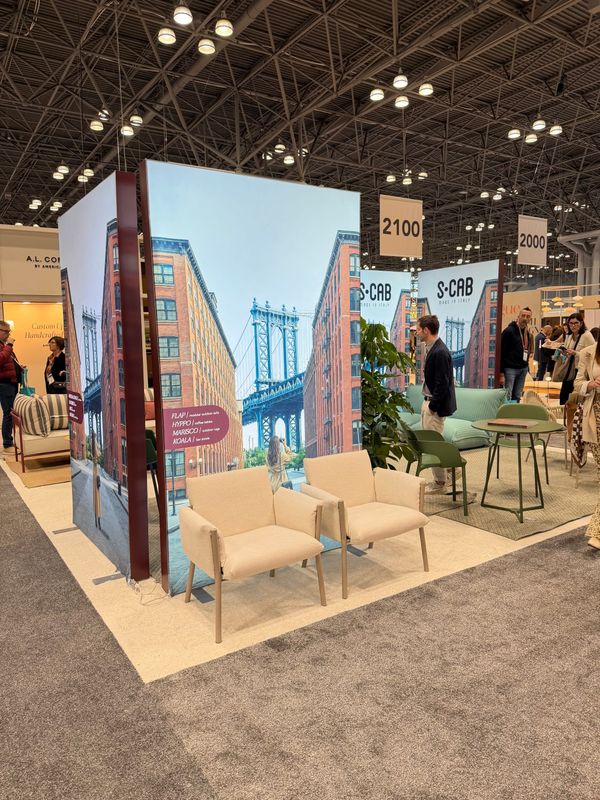
This was part of our approach at BDNY 2026.
Thrive In Design supported our client, Vitalia Inc., in making strategic introductions and navigating opportunities throughout the event.
Rather than relying on a traditional exhibit-booth strategy, the focus was on connecting with the right people and making the most of the industry's presence in New York.
An important part of that experience was a collaborative brunch involving Vitalia and Somato Textiles.
The gathering created an opportunity for industry professionals to connect in a more personal setting, away from the pace of the show floor.
It's an example of how brands can create meaningful touchpoints through partnership, even when they're not exhibiting.
And the broader lesson applies well beyond BDNY.
A manufacturer might collaborate with a complementary brand to host a small gathering, participate in a panel discussion, arrange a showroom visit, or create an educational experience for a shared audience.
The format doesn't need to be elaborate.
What matters is whether the collaboration supports your business goals and creates value for the people you're trying to reach.
Sometimes the most strategic thing you can do at a trade show isn't to create a bigger presence. It's to create a better opportunity for connection.
5. Turn Conversations Into Relationships
A promising introduction is only the beginning.
After the trade show, the real work is continuing the conversation in a way that builds trust and demonstrates your brand's value.
One mistake manufacturers can make is treating every contact the same.
An architect interested in a specific material application doesn't need the same follow-up as a potential distribution partner exploring a business relationship.
Your outreach should reflect what was discussed and what makes sense as a next step.
Follow up with context
Reference the conversation you had.
If someone mentioned an upcoming hospitality project, acknowledge it. If they asked about customization capabilities, provide relevant information.
Personalization shows that you were paying attention.
Provide something useful
A thoughtful follow-up might include technical specifications, a relevant project example, a product sample, or an introduction to a team member.
The goal is to make the next conversation easier.
Keep building the relationship
Not every contact is ready to move forward immediately.
Some may be gathering information for future projects. Others may be evaluating potential partners or exploring a new product category.
Stay connected through relevant updates, educational content, and occasional personal outreach.
A badge scan or exchanged business card doesn't create a relationship. Consistent, thoughtful engagement does.
For manufacturers looking to become trusted specification partners, this ongoing communication is especially important.
6. Measure the Outcomes That Matter
How do you evaluate trade-show ROI when you didn't have a booth?
Start by returning to the goals you established before attending.
If your objective was to build relationships with hospitality design firms, measure the quality and progression of those connections.
If your goal was to explore the U.S. market, evaluate what you learned and how those insights can inform your positioning.
Useful indicators may include:
- Strategic introductions: Connections with relevant architects, designers, purchasers, and industry partners.
- Qualified meetings: Conversations with people whose needs align with your products or capabilities.
- Follow-up engagement: Responses, continued discussions, and requests for additional information.
- Partnership opportunities: Potential collaborations or relationships worth developing.
- Specification activity: Sample requests, product evaluations, project inquiries, and eventual specification opportunities.
It's important to distinguish between activity and outcomes.
A meeting isn't automatically a qualified opportunity. A sample request isn't a confirmed specification. And a new relationship may take months to develop into a project.
That's why trade-show ROI should be evaluated over time, not just in the days immediately following the event.
For international manufacturers entering the U.S. market, this is particularly important.
Early success may look like a better understanding of the market, stronger industry relationships, or clearer insight into what architects and designers need from a manufacturing partner.
Those outcomes can help inform future decisions about sales representation, marketing, product resources, and market positioning.
The goal isn't simply to prove that attending was worthwhile. It's to understand how the experience supports your next stage of growth.
7. Make Trade-Show Participation Part of Your Larger Growth Strategy
A trade show shouldn't be treated as a standalone marketing activity.
It should connect to what your brand is trying to accomplish throughout the year.
If you're entering a new market, your event strategy should support market research and relationship development.
If you're trying to increase specification opportunities, your approach should prioritize the architects, designers, and purchasing professionals most likely to consider your products.
If you're looking to expand your network, collaborations and industry partnerships may deserve more attention than traditional promotional activities.
And regardless of your objective, your marketing and sales teams need to be aligned on what happens before, during, and after the event.
That's how trade-show participation becomes more than a few days of networking.
It becomes part of a coordinated approach to building visibility, trust, and long-term business opportunities.
Beyond the Booth: A Trade-Show Strategy Is a Business-Growth Strategy
You don't need an exhibit booth to make a meaningful impact at a trade show.
You need to know who you're trying to reach, why those relationships matter, and how you'll continue building on the opportunities you create.
BDNY 2026 reinforced something we believe strongly at Thrive In Design:
Being in the room creates connections. Having a strategy helps turn those connections into opportunities.
For interior product manufacturers planning their next industry event, the question shouldn't simply be whether to exhibit.
It should be:
How can we use this event to move our business forward?
When you approach trade shows with that mindset, you can create value well beyond the show floor.
Ready to Build a More Strategic Approach to Trade Shows?
At Thrive In Design, we help interior product manufacturers connect their marketing, sales, and market-growth strategies to create meaningful opportunities with architects, designers, and industry partners.
Whether you're exploring the U.S. market, strengthening your industry relationships, or planning how to make the most of your next trade show, we can help you approach those opportunities with intention.
Explore how Thrive In Design can support your growth strategy
Is Your Brand SpecReady?
Before investing in your next trade show or marketing initiative, it's worth understanding how well your brand is positioned to connect with architects, designers, and specifiers.
Take the free SpecReady assessment to identify potential gaps in your A&D market strategy and discover opportunities to strengthen your brand's specification readiness.